Gear Guides
Kit Lens vs Upgrade: Is Your 18-55mm Holding You Back?
Wondering whether to upgrade your kit lens? Learn what the 18-55mm does well, where it struggles, and which upgrade actually solves your problem.
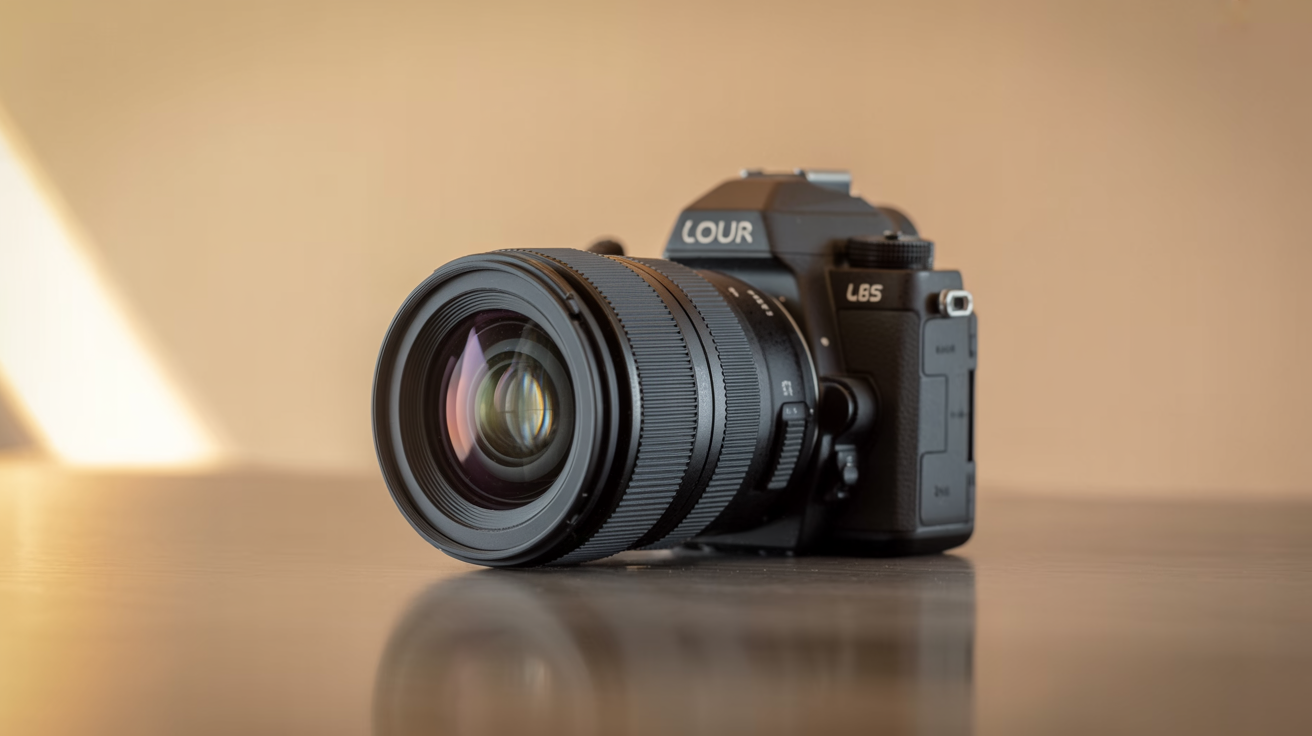
Short answer: your 18 to 55mm kit lens is probably not holding you back. Technique holds most beginners back. That said, the 18 to 55mm does have real limits, and once you've hit those limits on purpose, an upgrade makes sense. This guide helps you figure out whether you've actually hit them yet.
What the 18-55mm Kit Lens Actually Does Well
The 18 to 55mm is often dismissed by photographers who forgot how versatile it is for a beginner. Here's what it genuinely gets right.
It Covers the Most Common Focal Lengths
Focal length is the number (in millimeters) that describes how wide or how zoomed a lens is. A lower number means a wider view. A higher number means more magnification. The 18 to 55mm range covers wide-angle shots (landscapes, rooms, group photos) at 18mm and moderate zoom (portraits, street, objects across a table) at 55mm. That range handles the majority of everyday shooting situations.
It Focuses Accurately in Good Light
In daylight or bright indoor light, the kit lens focuses quickly and reliably. Photos come out sharp at normal viewing sizes. If your shots are blurry, the cause is almost always camera shake or missed focus point selection, not the glass itself.
It Lets You Learn Without Financial Pressure
Keeping the kit lens while you learn means any mistakes cost you nothing extra. You can experiment with composition, timing, and light without worrying about damaging expensive equipment. That freedom matters when you're still figuring things out.
Where the 18-55mm Kit Lens Falls Short
Knowing the real weaknesses helps you decide if an upgrade will actually solve your specific problem.
Variable Aperture in Low Light
This is the main limitation. The kit lens has a variable aperture, which means the maximum opening (the hole that lets in light) shrinks as you zoom in. At 18mm the widest opening is usually f/3.5. At 55mm it narrows to f/5.6. A wider aperture lets in more light, so at f/5.6 the lens is letting in roughly half the light it was at f/3.5.
Aperture is written as an f-number. Confusingly, a smaller number means a wider opening. f/1.8 is much wider than f/5.6.
In dim light, a narrower aperture forces the camera to raise the ISO (the sensor's sensitivity to light) or slow the shutter speed. Both choices introduce trade-offs: higher ISO adds grain, and a slower shutter blurs anything that moves.
Limited Background Blur
Background blur (sometimes called bokeh) is that soft, out-of-focus look behind a subject. It happens when you use a wide aperture and get reasonably close to your subject. The kit lens at f/5.6 produces less background blur than a dedicated portrait lens at f/1.8. If soft, dreamy backgrounds are a priority for you, the kit lens will feel restrictive.
Modest Build Quality
Kit lenses are made to keep camera packages affordable. The focus ring and zoom ring often feel less precise than dedicated lenses. This rarely affects image quality directly, but it can make the shooting experience feel less satisfying over time.
Should You Upgrade Your Kit Lens?
Ask yourself two questions before spending money.
First, can you describe exactly what the kit lens won't let you do? "I want better photos" is not a specific problem. "I'm shooting my kid's indoor soccer game and every photo is blurry because the shutter speed drops below 1/200 at f/5.6" is a specific problem. A lens upgrade only solves specific problems.
Second, have you tried the free fixes? Shooting in Aperture Priority mode and setting the aperture manually, moving closer to your subject, finding better light, and stabilizing the camera all cost nothing. If you haven't tried these, start there before buying anything.
If you can name a specific frustration that isn't fixed by technique, then an upgrade is worth considering. See what the right camera body does too, because sometimes a body upgrade (better autofocus, better high-ISO performance) solves a problem that a new lens wouldn't.
Three Upgrade Paths and What Problem Each Solves
Each lens category fixes a different thing. Pick the path that matches your actual frustration.
A Fast Prime Lens
A prime lens has a fixed focal length. It doesn't zoom. A 50mm prime, for example, stays at 50mm and that's it. What you gain is a much wider maximum aperture, often f/1.8, at a relatively low price.
Problem it solves: Low-light photography, blurry indoor shots, wanting more background blur.
A 50mm f/1.8 lets in roughly nine times more light than a kit lens at f/5.6. That's not a small difference. Indoor events, evening portraits, and low-light still-life work become noticeably easier. The trade-off is that you have to physically move to reframe instead of zooming. Many photographers find this forces more intentional composition. If you want to understand why a 50mm prime is so popular with beginners, the nifty fifty guide covers it in detail.
A Constant-Aperture Zoom
A constant-aperture zoom holds the same maximum aperture across the entire zoom range. A lens labeled something like f/2.8 maintains that f/2.8 whether you're at the wide end or the long end. These lenses are heavier and more expensive than kit lenses, but they solve the "narrowing aperture when I zoom" problem directly.
Problem it solves: You need flexibility in framing and you need it in lower light. Event photographers, wedding guests, and documentary-style shooters often land here.
The price jump is real. Expect to pay several times more than you'd spend on a fast prime. If budget is tight, the prime usually delivers more usable improvement per dollar.
A Telephoto Lens
A telephoto lens covers longer focal lengths, typically starting around 70mm and going up from there. These lenses bring distant subjects closer: birds, sports, wildlife, or people across a field.
Problem it solves: Your subject is far away and you can't get closer. The kit lens at 55mm simply doesn't reach.
Telephoto lenses vary a lot in price. Entry-level options with variable aperture are affordable, while fast telephoto lenses (f/2.8 or f/4 at long focal lengths) cost significantly more. If you mostly shoot at normal distances, a telephoto won't improve anything you're currently doing.
Making the Decision Without Overthinking It
Shoot with the kit lens for at least a month of intentional practice. After that, look back at your photos. Find the shots you wish had turned out differently, and ask what specifically went wrong. If the answer points to one of the weaknesses above, you have your answer. If the photos are sharp and the main issues are framing or timing, keep the kit lens and work on those skills.
The kit lens isn't the ceiling. But it's also not the reason most beginners' photos fall short. You might also find it useful to think through DSLR vs mirrorless before committing to a lens upgrade, since your camera body affects which lenses are compatible.
Frequently Asked Questions
Is the 18-55mm kit lens good enough for portraits?
Yes, especially at the 50 to 55mm end. Move close to your subject and use the widest aperture available (f/5.6 at 55mm). The background blur will be modest but visible. If you want more separation between subject and background, a 50mm f/1.8 is the next step.
What does "upgrading my lens" actually mean?
It means buying a separate lens to use instead of, or in addition to, the one that came with your camera. Lenses are interchangeable on most cameras. The new lens mounts onto the same camera body.
Will a better lens make my photos sharper?
Usually not in the way beginners expect. Most blurry photos come from camera shake (slow shutter speed with a handheld camera) or missed autofocus, not from the lens itself. Sharp images start with proper technique.
Do I need to match my lens brand to my camera brand?
For autofocus to work reliably, the lens should be compatible with your camera's mount. Many third-party lens makers make lenses for Canon, Nikon, Sony, and Fujifilm mounts. Always check compatibility before buying.
How do I know if I've outgrown the kit lens?
When you can name a specific type of photo you want to take and you've confirmed that technique isn't the limiting factor, you've outgrown it for that purpose. "I want better photos" is not enough. "I want to shoot candid indoor portraits at a birthday party without raising the ISO above 3200" is specific enough to shop for a solution.