Light & Exposure
Window Light: Indoor Natural Light Photography
Learn how to use window light for beautiful indoor natural light photography, from soft side-lit portraits to tricky backlight setups.
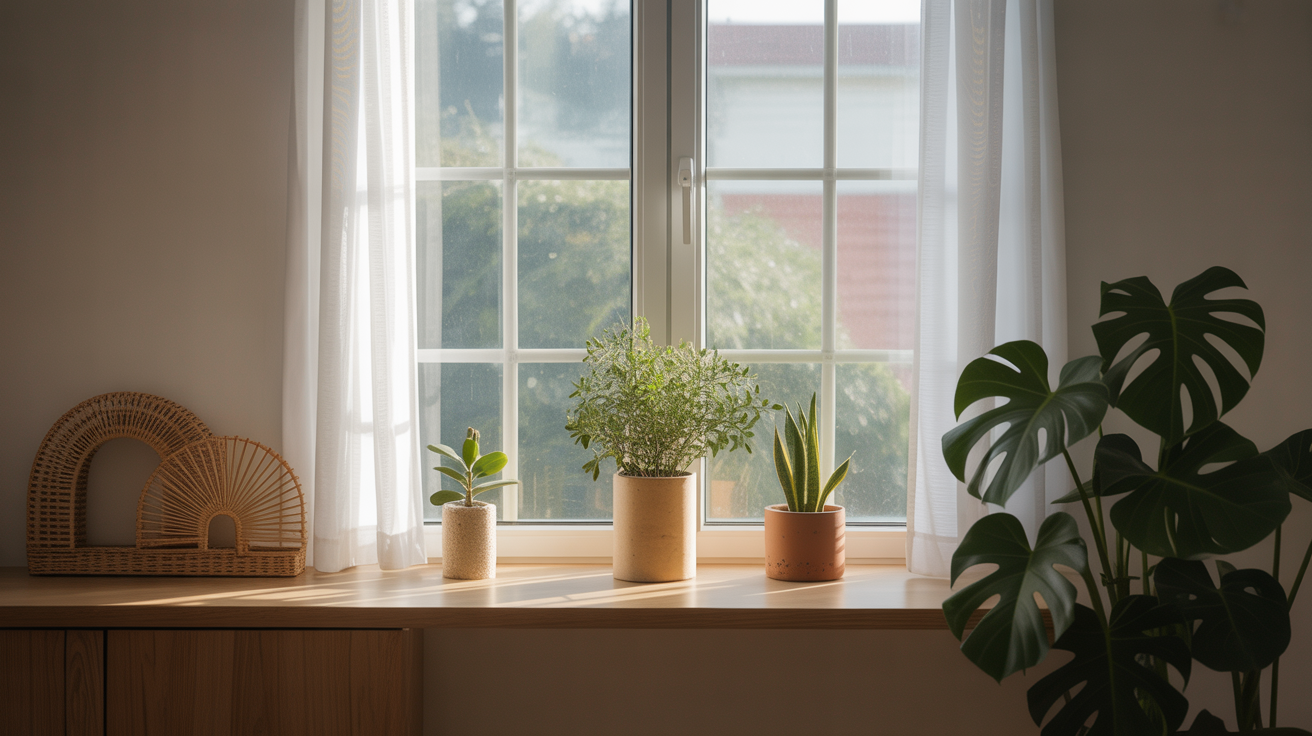
There is a whole studio hiding in your living room. A single window, some open wall space, and a willing subject are all you need to start making portraits that look genuinely professional. Window light photography is the first skill most photographers reach for, and for good reason: the light is free, it is always there, and it teaches you more about exposure and direction than any artificial setup can.
Why Window Light Works So Well
Sunlight hitting the Earth is harsh and directional. But pass that same sunlight through a window, and something changes. The glass scatters the rays slightly, and the open sky just outside the pane acts as a large, broad source. The result is soft, even light with gradual shadow edges rather than the hard, punchy shadows you get from a bare bulb or direct sun.
Size matters here. A large window lights a face gently because the light source, relative to your subject, is wide. A small porthole produces harder shadows. The farther your subject stands from the window, the smaller and harder that light source appears, so keep subjects close, roughly one to three feet away, for the most flattering look.
North-facing windows are a favourite for portrait work because they never receive direct sunlight. The light coming through is pure skylight: consistent throughout the day, never blowing out highlights when the sun swings around. If you only have south-facing or west-facing windows, hang a sheer white curtain (a diffuser) across the glass. A diffuser scatters incoming light, turning a patch of direct sun into something closer to a cloudy-sky softbox. Bed-sheet linen works fine if you do not own photography curtains.
Choosing Your Direction
Where your subject stands relative to the window changes the entire mood of the image.
Side light (90 degrees). The window is directly to the subject's side. Half the face is lit, half falls into shadow. Dramatic, sculptural, good for character portraits. The shadowed side will go quite dark unless you add fill.
Loop light (45 degrees). The subject faces slightly toward the window rather than square on to the camera. This is the most flattering angle for most faces. You get a small shadow under the nose that drops diagonally, defined cheekbones, and bright eyes. Start here when you are not sure what to try.
Backlight. The subject faces the window, the camera is between them and the glass. You lose detail on the face (it becomes a silhouette or a rim-lit shape) but you gain a glowing, airy look that works beautifully for editorial and lifestyle shots. Expose for the face using spot metering, and expect a blown-out background. That is usually the point.
Fill shadows with a reflector. A fill is anything that bounces light back into the darker side of the face. A white foam board from a craft shop does the job perfectly. Hold it on the shadow side, angled toward the window, and you will watch the shadows lift in real time. You are not eliminating shadows, just reducing the difference between the bright side and the dark side. That difference is called the lighting ratio. A reflector brings it from dramatic (a 4:1 ratio) toward friendly and commercial (2:1 or lower).
Camera Settings for Indoor Natural Light Photography
Window light is beautiful but dim, and your camera needs help. Shooting with window light almost always means opening up your aperture, raising your ISO, or both.
A starting-point settings checklist:
- Aperture: f/1.8 to f/2.8. This lets in the most light and also blurs the background, which hides distracting rooms. If your lens only opens to f/3.5 or f/4, that is fine, just compensate with ISO.
- ISO: 400 to 1600. Modern cameras handle ISO 800 cleanly. Do not be afraid of it. Grain is fixable; a blurry photo from a shutter speed that is too slow is not.
- Shutter speed: at least 1/100 second for a stationary subject, faster if they are moving or if you are hand-holding a longer focal length. The rule of thumb is to keep shutter speed above the reciprocal of your focal length (shooting at 50 mm means staying above 1/50 second, preferably faster).
- White balance: Cloudy or Shade preset, or use Kelvin around 5500–6500 K. Auto white balance often over-corrects toward blue in rooms with window light. Setting it manually keeps skin tones warm and consistent across a shoot. Shooting RAW lets you correct this afterward, which is a good safety net.
Watch your histogram. If you have read how to read a histogram in photography, you will recognise that you want to expose so the subject's skin tones sit in the right third of the graph without touching the right wall. Window light can clip highlights on light skin or in the bright window itself. Spot-meter on the face to prioritise it.
Avoiding the Most Common Mistakes
Mixed light. This is the main trap in indoor natural light photography. You open the living room blinds and shoot, but there is also a warm incandescent lamp glowing two metres away. Your camera's white balance cannot serve two sources at once: the window-lit side of the face looks natural, the lamp-lit side looks orange. Turn off any artificial lights in the room before you shoot. If you cannot (the room is too dark without them), match their colour temperature to the window light using daylight-balanced LED bulbs.
Subject too far from the window. Walk your subject closer. The difference between standing a metre from a window and two metres from it is dramatic: the light halves in intensity (following the inverse square law) and gets visibly harder. Most beginners set up in the middle of the room and wonder why the light looks flat or muddy.
Shooting when sun patches appear. Even with sheer curtains, direct sun through the glass creates hot spots, bright patches on the skin that clip with no recoverable detail. If a beam of sunlight is landing on your subject's nose or shoulder, wait ten minutes, move them, or use a denser curtain. The soft overcast-sky version of the light is what you are after. (Direct midday sun poses similar problems outdoors, and the same logic applies: how to take photos in harsh midday sun covers those workarounds in detail.)
Ignoring the background. A window behind your subject means the camera sees a bright exterior. If you expose for that brightness, your subject goes dark. Choose backgrounds that are walls, not other windows. Or, if you want the window in the frame, expose for the face and let the exterior overexpose. Decide which you want before you shoot.
A Simple Setup You Can Try Today
Find the largest window in your home. Hang a white bedsheet or sheer curtain over it if direct sunlight is coming through. Place your subject about 60 to 90 cm from the glass, at a 45-degree angle to it (loop-light position). Set your aperture to the widest your lens allows, ISO to 800, and shutter speed to 1/125 second. If the room is bright enough, drop the ISO; if the image is still dark, raise it. Hold a piece of white card or foam board just outside the camera frame on the shadow side. Take a shot, check the histogram, and adjust.
That is the whole system. Window light photography rewards experimentation because the light itself changes as clouds pass and as the sun moves, so each shooting session is slightly different. That variability is what makes it interesting. You will start to notice when the light is good the way you notice the weather, and eventually you will find yourself rearranging furniture to chase a particular quality of afternoon sky through the west window.
For those interested in outdoor natural light, the same principles of direction, softness, and angle apply at the golden hour, when the sun behaves more like a giant window than a bare bulb.
Frequently Asked Questions
What is the best time of day for window light photography?
It depends on which direction your windows face. North-facing windows deliver consistent soft light all day. East-facing windows give warm, direct light in the morning that turns softer by midday. West windows are similar in the afternoon. South-facing windows receive the most direct sun and benefit most from a sheer curtain diffuser. Early morning and late afternoon generally produce gentler, warmer light through any window.
Do I need an expensive reflector?
No. A sheet of white foam board from a dollar store or craft shop works just as well as a commercial reflector for portraits. Even a white wall or a light-coloured shirt held at the right angle bounces useful fill light back onto a face.
Why does my subject's skin look orange near the window?
A lamp or ceiling light nearby is probably adding warm artificial light to the scene. Turn off all artificial lights in the room and rely solely on the window. If the room becomes too dark, consider a daylight-balanced LED lamp set to 5500 K or higher, which will blend with window light instead of fighting it.
My photos come out blurry at the window. What is wrong?
The shutter speed is likely too slow for the available light. Start at ISO 800 and raise it if needed to keep the shutter above 1/100 second. Opening the aperture wider (lower f-number) also helps. Blurry window-light shots are almost always a shutter speed or camera-shake problem, not a focus problem.
Can I shoot window light portraits with a phone camera?
Yes. Tap the subject's face on the screen to set focus and exposure there, then look for a lock-exposure option (usually a long-press on iOS or Android) so the metering does not shift when you reframe. Use the same positioning principles: close to the window, at an angle, with a reflector on the shadow side if you have one.